

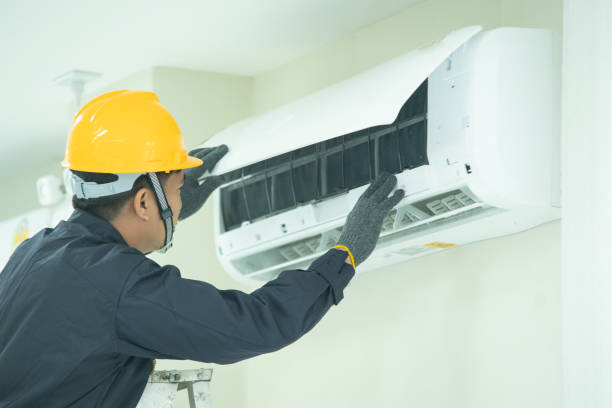
Air conditioning systems are essential for maintaining comfortable indoor environments, especially during warmer months. However, like any mechanical system, air conditioners have a limited lifespan. Over time, components wear out, efficiency declines, and the need for frequent repairs becomes inevitable. Understanding the importance of timely AC replacement is key to ensuring the longevity and efficiency of your cooling system.
Why You Should Consider AC Replacement
- Age of the Unit: Most air conditioners have a lifespan of 10–15 years. If your unit is within or beyond this range, its efficiency has likely decreased significantly.
- Frequent Repairs: If you find yourself scheduling repeated repairs and replacements for major components like the compressor or evaporator coil, replacement is often more cost-effective in the long run.
- High Energy Bills: Older systems tend to consume more energy while delivering less cooling output compared to modern, energy-efficient models.
- Inconsistent Cooling: Uneven temperatures in different parts of your home or office may be a sign that your system can no longer perform optimally.
Benefits of Replacing Your Air Conditioner
Investing in a new air conditioner offers several advantages that go beyond simply keeping your space cool.
- Improved Energy Efficiency
Modern AC units are built with advanced technologies such as variable speed motors and smart thermostats. These features not only reduce energy consumption but also provide consistent cooling tailored to the environment’s needs. Look for systems with a high Seasonal Energy Efficiency Ratio (SEER) rating when choosing a new unit. - Lower Maintenance Costs
A newer system will require fewer repairs compared to an aging unit prone to breakdowns. This reduces both downtime and overall maintenance expenses. - Environmental Benefits
Many older units use outdated refrigerants like R-22 (Freon), which contribute to ozone depletion. Newer systems utilize environmentally friendly refrigerants such as R-410A while adhering to government regulations on emissions. - Enhanced Indoor Air Quality
A new AC system may include features such as advanced filtration systems, humidity control settings, and UV lights that actively improve indoor air quality by reducing allergens and contaminants.
When Is It Time for Replacement?
| Symptom | Possible Cause | Recommendation |
| Rising electricity bills | Declining energy efficiency | Consider upgrading |
| Inconsistent temperatures | Faulty compressor or aging components | Evaluate replacement options |
| Excessive noise | Worn-out fan motor or internal damage | Consult HVAC technician |
| Frequent breakdowns | System reaching end-of-life | Replace with newer model |
Proactively replacing an old AC unit before it fails completely can save you time, stress, and money over the long term.
Partnering With Professionals
Choosing professional HVAC technicians for installation ensures that your replacement process is seamless and efficient from start to finish. Certified experts can assess your unique cooling needs based on factors such as square footage, insulation levels, and climate conditions in order to recommend an appropriately sized model suited for optimal performance.
By opting for a timely upgrade instead of sticking with an unreliable system prone to failure, you’ll enjoy better comfort levels while reducing operational costs—making it a worthwhile investment in both your home environment and overall peace of mind.
Understanding the Effects of Neglected Air Conditioning Repair Orlando, FL on Performance
Air conditioning systems are essential for maintaining indoor comfort, but failing to replace an aging or inefficient unit can lead to significant performance issues. Many homeowners and business owners underestimate how neglecting AC replacement can diminish system efficiency and reliability over time. Here’s why timely replacement is critical to ensure optimal performance of your air conditioning system.
Decreased Cooling Efficiency
- Worn-out components: Internal parts like the compressor, evaporator coil, and fans degrade over time.
- Refrigerant leaks: Older systems often use outdated refrigerants like R-22, which may contribute to subpar cooling performance.
- Clogged or dirty components: As units age, dirt and debris build up in filters and coils, further impeding airflow and heat exchange.
Neglecting replacement results in uneven cooling and reduced overall comfort in your living or working space.
Increased Energy Consumption
- Higher monthly utility bills
- Frequent cycling on and off
- Extended run times that fail to effectively cool the space
Investing in a modern energy-efficient model can significantly lower electricity costs by incorporating features such as variable-speed compressors and enhanced SEER (Seasonal Energy Efficiency Ratio) ratings.
Frequent Breakdowns Lead to Higher Costs
- Strange noises (such as banging or humming)
- Frequent refrigerant leaks
- Inconsistent airflow
- Unusual odors from the vents
While repairs may seem like a cost-effective solution at first, recurring repair expenses can quickly surpass the cost of replacing the unit altogether. Procrastinating replacement leaves you with mounting repair bills that could otherwise be avoided.
Negative Impact on Indoor Comfort
- Hot spots or uneven temperatures within rooms
- Excess humidity that creates a sticky environment
- Poor air circulation leading to stale air quality
Replacing an older AC ensures consistent cooling throughout your property while maintaining proper humidity levels for maximum comfort.
A Comparison Table: Repair vs Replacement Costs Over Time
| Costs | Frequent Repairs | AC Replacement |
| Initial Outlay | Low | Medium/High |
| Recurring Expenses | High | Minimal |
| Energy Savings | Minimal | Significant |
| Long-Term Reliability | Uncertain | High |
As illustrated above, opting for replacement over frequent repairs becomes a more viable option both financially and operationally in the long term.
Stalling on replacing an outdated air conditioner ultimately affects its performance, energy consumption, reliability, and comfort delivery. Regular assessments by HVAC professionals can help determine when it’s time for an upgrade so you can avoid these pitfalls efficiently.
How Neglecting AC Replacement Can Affect Performance: Insights from an HVAC Company Orlando, FL
Neglecting the timely replacement of an air conditioning (AC) system can have far-reaching consequences, affecting both functionality and efficiency. Many homeowners and businesses delay replacing aging systems in an attempt to save money, but this often leads to higher costs over time due to reduced performance, frequent repairs, and higher energy bills. Below, we explore how neglecting AC replacement impacts overall performance.
Decreased Cooling Efficiency
Over time, the components of an AC system—such as the compressor or evaporator coil—begin to wear out. A system nearing the end of its lifespan will struggle to maintain consistent indoor temperatures. Symptoms of decreasing cooling efficiency include: – Uneven temperature distribution across rooms. – Prolonged cooling cycles, leading to higher energy usage. – Difficulty maintaining desired thermostat settings during extreme weather conditions.
These issues not only affect comfort but also result in increased operational costs as the system works harder than necessary.

Increased Energy Consumption
An aging AC unit typically consumes more energy because it must work harder to meet cooling demands. Inefficient systems lack modern technology that optimizes power usage. Older models may also use outdated refrigerants like R-22, which are less energy-efficient compared to newer alternatives such as R-410A.
Replacing a deteriorating unit can significantly reduce monthly utility bills, helping homeowners conserve both energy and money.
Frequent Repairs and Higher Maintenance Costs
As components age, they are more prone to failure: – Compressors may overheat or fail entirely. – Refrigerant leaks become more common. – Electrical circuits may wear out or cause short-cycling issues.
The cumulative cost of repairs on an outdated AC system can exceed what you would spend on a new installation. Additionally, scheduling frequent maintenance sessions for repairs increases downtime and disrupts daily routines.
| Issue | Impact on Performance | Cost Implications |
| Worn-out compressor | Reduced cooling ability | High repair/replacement costs |
| Refrigerant leaks | Environmental harm; inefficient operation | Expensive refrigerant refills |
| Failing electrical parts | System shutdowns and inconsistent operation | Rising repair expenses |
Impact on Indoor Air Quality
As performance declines, older AC units may no longer effectively filter pollutants such as dust, pollen, or mold spores from indoor air. This results in poor indoor air quality (IAQ), which can negatively affect health—particularly for individuals with allergies or respiratory issues.
Signs that your AC is no longer maintaining IAQ include: – Persistent odors in your home or office. – Excess humidity levels leading to mold growth. – Increased dust accumulation despite regular cleaning.
Proactive Steps for Long-Term Performance
To avoid these problems associated with delayed replacement: 1. Schedule regular inspections of your current unit by qualified HVAC technicians. 2. Monitor signs of excessive wear and inefficiency (e.g., rising energy bills). 3. Upgrade older units with modern systems designed for better performance and reduced environmental impact. 4. Choose models certified by ENERGY STAR® for maximum efficiency benefits.
Keeping your AC system updated ensures optimal comfort while preventing costly disruptions caused by neglecting necessary replacements over time.
The Role of Air Conditioning in Ensuring Optimal Indoor Air Quality
Indoor air quality (IAQ) is critical for maintaining a healthy and comfortable living or working environment. Air conditioning systems play a significant role in regulating and improving the quality of indoor air by controlling pollutants, humidity levels, and temperature. Here’s a closer look at how your AC system contributes to optimal indoor air quality and why regular maintenance is essential.
How AC Systems Improve Indoor Air Quality
- Air Filtration: Most AC units are equipped with filters that capture dust, pollen, pet dander, and other airborne particles.
- Humidity Control: High humidity levels can encourage mold growth and create an uncomfortable atmosphere. An efficient AC system helps maintain ideal humidity levels within your space.
- Ventilation: Modern HVAC systems often incorporate fresh air exchange, which removes stale indoor air and replaces it with filtered outdoor air.
- Temperature Regulation: Consistently maintaining moderate temperatures reduces stress on the body while also limiting microbial growth.
The Importance of Regular Maintenance for IAQ
To ensure your AC system continues to enhance indoor air quality effectively, routine inspections and maintenance are essential. Neglected systems may become breeding grounds for mold or distribute harmful particulates into your environment instead of filtering them out.
- Frequency: Every 1-3 months, depending on usage and type of filter.
- Benefits: Clean filters trap more pollutants while improving airflow efficiency.
- Frequency: Every 3-5 years or as needed if visible buildup is present.
- Benefits: Prevents allergen buildup and ensures proper airflow throughout your space.
- Importance: Dirty coils not only reduce cooling efficiency but can also harbor bacteria or mold, which might circulate through your home or office.
- Impact on IAQ: Refrigerant leaks can lower system performance and release harmful chemicals into the atmosphere.
Signs Your Indoor Air Quality May Be Compromised
- Increased allergy symptoms such as sneezing or itchy eyes.
- A musty odor indicating possible mold growth in ducts or components.
- Visible dust buildup near vents despite regular cleaning.
- High indoor humidity levels leading to damp environments.
Choosing the Right Filters for Better Air Quality
| Filter Type | MERV Rating | Captures | Recommended Use |
| Fiberglass Filters | 1–4 | Larger particles (dust/lint) | Basic residential use |
| Pleated Filters | 5–8 | Dust mites, pollen | Standard residential/commercial |
| HEPA Filters | 17–20 | Bacteria, viruses | Medical facilities/clean rooms |
| Activated Carbon Filters | Varies | Odors/gases | Homes with pets/smokers |
Long-Term Benefits of Optimal Indoor Air Quality
- Improved health by reducing allergens and irritants in the air.
- Increased comfort through balanced temperature and humidity control.
- Enhanced productivity in work environments due to fresher breathing conditions.
By understanding how air conditioning impacts indoor air quality—and taking proactive steps to maintain it—you can ensure healthier surroundings while extending the life of your HVAC equipment.
Proactive Tips for Reliable AC Service Orlando to Avoid Costly Repairs
Regular maintenance and timely inspections of your air conditioning system play a critical role in preventing costly repairs. By adopting a proactive approach, you can identify and address minor issues before they evolve into significant problems that might require expensive solutions. Proper care not only extends the lifespan of your equipment but also ensures it operates efficiently throughout its service life.
Benefits of Proactive AC Service
- Early Detection of Problems
Frequent inspections allow technicians to spot potential issues such as leaking refrigerant, clogged filters, or failing components. Addressing these concerns early prevents further damage to the system. - Cost Savings
Repairing small problems is significantly less expensive than major component replacements or complete system overhauls. Regular service reduces the likelihood of sudden breakdowns during peak seasons when HVAC services may be costlier due to high demand. - Energy Efficiency
A well-maintained air conditioning system operates at peak efficiency, reducing energy consumption and lowering utility bills over time. - Enhanced System Lifespan
Routine care helps reduce wear and tear on essential parts, ensuring the unit runs for its intended lifespan without frequent replacement needs. - Improved Reliability
Scheduled check-ups ensure your AC is ready to handle extreme weather conditions without unexpected performance issues.
Essential Components Checked During Inspections
| Component | Potential Issue Addressed | Impact if Neglected |
| Air Filters | Accumulation of dust and debris | Reduced airflow, poor cooling performance |
| Refrigerant Levels | Low refrigerant due to leaks | Inefficient cooling, increased power usage |
| Evaporator and Condenser Coils | Dirt accumulation reducing heat transfer efficiency | System overheating or freezing |
| Electrical Connections | Loose wires or connections posing safety risks | Risk of electrical failures |
| Thermostat Calibration | Incorrect temperature settings | Inconsistent indoor comfort levels |
Tips for Avoiding Major Repairs
- Schedule Annual Maintenance: Arrange professional servicing at least once a year to keep your system in top condition.
- Replace Filters Regularly: Follow manufacturer recommendations to replace air filters every 1–3 months depending on usage.
- Monitor System Performance: Pay attention to unusual noises, reduced cooling output, or sudden spikes in energy bills.
- Keep Outdoor Units Clean: Ensure proper airflow by clearing debris such as leaves or dirt from around outdoor condenser units.
- Address Small Issues Promptly: Don’t delay repairs for minor problems like unusual sounds or reduced efficiency.

The Value of Professional Assistance
While some maintenance tasks can be performed by homeowners—such as cleaning vents or replacing filters—professional technicians offer expertise that ensures no detail is overlooked. They have the tools and knowledge required to perform advanced diagnostics and resolve complex issues effectively.
Investing in proactive AC service not only saves money but also provides peace of mind knowing your system is operating safely and efficiently year-round. Consistent care today can prevent costly failures tomorrow—making it a prudent choice for both residential and commercial property owners alike.
Enhancing Overall Comfort with Professional AC Service Solutions
Professional AC service plays a pivotal role in ensuring a comfortable living or working environment. While many homeowners and business owners may focus on basic maintenance, professional services provide comprehensive solutions that go beyond simple repairs. Here, we’ll explore how professional AC service enhances overall comfort and why it’s essential to rely on experts for optimal results.
Benefits of Professional AC Service
- Efficient Cooling: Professionals thoroughly inspect your system to identify any inefficiencies or malfunctions that hinder performance. This ensures that your air conditioning unit delivers consistent and efficient cooling throughout the space.
- Improved Air Quality: A professional service includes cleaning internal components like filters, coils, and ducts. This reduces allergens, dust, and contaminants circulating in the air.
- Extended Lifespan: Routine servicing by experts can prevent wear and tear, prolonging the life of your AC system while reducing the likelihood of sudden breakdowns.
Key Areas Addressed During Professional AC Service
| Component | Why It Matters |
| Filters | Clogged filters restrict airflow, reducing efficiency and comfort levels. Clean filters improve cooling performance and indoor air quality. |
| Refrigerant Levels | Low refrigerant levels can lead to reduced cooling capacity. Technicians ensure proper levels for optimal operation. |
| Evaporator & Condenser Coils | Dirty coils hinder heat exchange efficiency, making it harder for your system to cool effectively. Cleaning them ensures smooth functioning. |
| Thermostat Settings | Incorrect settings can lead to uneven temperatures or overworked systems. Experts calibrate thermostats for precise temperature control. |
How Professional Services Enhance Comfort
- Customized Recommendations
Technicians analyze your specific requirements based on room size, insulation quality, and existing HVAC setup. They provide recommendations such as adjusting airflow settings or upgrading components to suit your unique needs. - Consistent Temperature Control
Uneven cooling is a common issue in many homes and offices. Professionals address this by balancing airflow distribution across vents or inspecting ductwork for leaks. - Quiet Operation
Noisy systems can disrupt comfort significantly—especially during work hours or nighttime rest periods. Proactive servicing eliminates rattles, vibrations, or buzzing sounds by tightening mechanical parts or replacing worn-out components. - Energy Savings Without Compromising Comfort
By optimizing the efficiency of your unit through recalibration and cleaning tasks, professionals ensure lower energy consumption without sacrificing effective temperature regulation.
Why Choose Professional Expertise?
While DIY maintenance like changing filters has its place in preserving system health between services, only qualified technicians can perform detailed checks that uncover hidden issues early on. Their access to specialized tools and training allows them to diagnose problems accurately while offering long-term solutions instead of temporary fixes.
By investing in professional AC service solutions regularly, homeowners and businesses create an environment where productivity thrives alongside comfort—all while keeping operational costs under control over time.
Expert AC Service for Residential and Commercial Spaces
Professional AC service plays a crucial role in maintaining comfortable and productive environments, whether at home or work. Residential and commercial spaces have varying air conditioning requirements, making expert intervention essential to ensure optimal performance across both settings.
The Importance of Specialized Expertise
AC systems in residential and commercial spaces differ significantly in terms of size, complexity, and usage patterns. Residential units are typically smaller and cater to a limited number of occupants, while commercial HVAC systems are more robust, designed to manage the needs of larger spaces with higher occupancy. Because of these differences, specialized expertise is necessary for effective maintenance and repair.
- Ensures energy-efficient cooling tailored to specific home sizes.
- Helps maintain consistent temperature zones for family comfort.
- Extends the system’s lifespan through routine upkeep.
- Optimizes performance for large-scale operations with high cooling demands.
- Reduces downtime by addressing issues before they escalate into major problems.
- Enhances employee productivity by maintaining a comfortable indoor climate.
Key Services Provided by Professionals
- Comprehensive Inspections: Regular inspections help identify potential problems before they disrupt your system’s operation.
- System Cleaning: Cleaning components such as coils, filters, and vents minimizes allergens while improving airflow.
- Performance Testing: Technicians assess energy efficiency levels and recommend adjustments as needed.
- Preventive Maintenance Plans: Service providers often offer tailored plans that include regular tune-ups based on your specific needs.
Factors Professionals Consider During AC Service
| Consideration | Residential Focus | Commercial Focus |
| Usage Patterns | Lower daily use; seasonal spikes | High daily use; consistent operational demand |
| System Size | Compact units; simple ductwork | Large systems; complex duct networks |
| Energy Efficiency Goals | Reducing household utility bills | Cutting overhead costs |
Benefits of Hiring Professionals
- Reduced energy consumption through optimized performance.
- Improved indoor air quality by eliminating pollutants from the system.
- Prolonged equipment lifespan with regular maintenance.
- Minimized risk of breakdowns during peak usage periods.
- Compliance with manufacturer warranties through certified service records.
Whether you’re managing a cozy household or overseeing a bustling business space, partnering with qualified technicians helps safeguard your investment in air conditioning systems while ensuring year-round comfort for occupants.
- 10 Most Common Air Conditioner Problems and How an HVAC Company in Orlando, FL Can Help
- Prioritize Your Orlando, FL AC Repair to Avoid Expensive Issues
- How Often Should You Schedule Orlando, FL AC Repair for Optimal Performance
- Ensuring Longevity and Efficiency with Orlando, FL AC Repair
- How Often Should You Schedule Orlando, FL AC Repair to Keep Your System Running Smoothly
- When Should You Schedule Orlando, FL AC Repair for Optimal Performance
- Top 5 Reasons to Seek Professional Orlando, FL AC Repair for Your Air Conditioning Unit
- Top Signs You Need Immediate Orlando, FL AC Repair for Your Cooling System
- When AC Trouble Is Urgent: Recognizing Emergency HVAC Warning Signs That Require Immediate Attention