

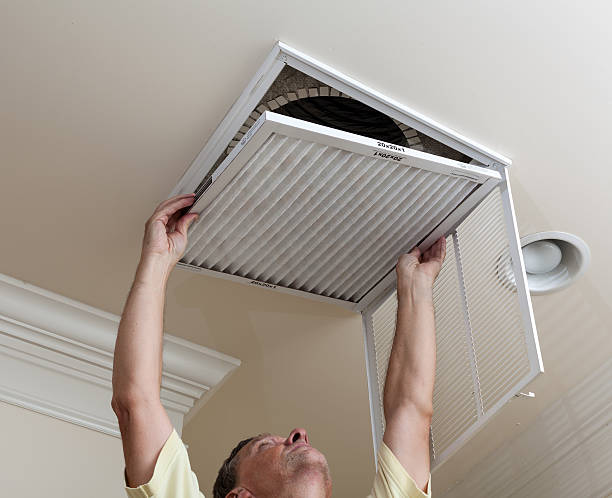
Properly maintaining your air conditioning (AC) system is essential for ensuring a comfortable indoor environment and avoiding unexpected breakdowns. However, even with regular maintenance, there comes a time when AC replacement becomes necessary. Understanding how often you should replace your system can help you plan ahead and keep your cooling system running efficiently.
General Lifespan of an AC System
On average, most air conditioning systems last between 10 to 15 years, depending on factors such as:
- Type of System
Central air conditioners typically last around 12 to 15 years, whereas window units or portable systems may only last about 8 to 10 years. - Usage
Systems that run continuously throughout the year experience more wear and tear. - Maintenance History
Well-maintained systems generally last longer than those that are neglected.
Factors That Influence Replacement Frequency
- Frequent Repairs:
If you’re scheduling repairs frequently or facing costly fixes, it’s often more economical to invest in a new unit rather than continuing repairs on an aging system. - Energy Efficiency Issues:
Older units may fail to meet current energy efficiency standards, leading to increased electricity bills. Modern systems with higher SEER (Seasonal Energy Efficiency Ratio) ratings offer improved efficiency and cost savings over time. - Rising Utility Costs:
A steady increase in energy bills without a corresponding increase in usage can signal that your AC system is working harder than it should, possibly requiring replacement. - Inconsistent Cooling:
Uneven temperature distribution or difficulty maintaining desired temperatures can be signs of an outdated or failing unit. - Environmental Concerns:
Many older units use R-22 refrigerant, which has been phased out due to its environmental impact. Upgrading to a newer model ensures compliance with modern refrigerant standards.
Guidelines for Scheduling Replacement
- Schedule professional inspections every one to two years if your AC is under ten years old.
- Begin considering replacement options when your system reaches the ten-year mark or shows signs of declining performance.
- Plan for proactive replacement if repair costs exceed approximately half the price of a new unit.
Cost vs Benefit Analysis Table
| Age of Unit (Years) | Frequency of Repairs | Efficiency Level | Recommendation |
| Less than 5 | Rare | High | Continue maintenance |
| 6–10 | Occasional | Moderate | Monitor closely |
| Over 10 | Frequent | Low | Consider replacement |
Regularly assessing these factors will ensure that you’re making informed decisions about replacing your AC at the optimal time, minimizing both downtime and long-term expenses while maximizing comfort year-round.
Identifying When You Need Professional AC Service Orlando Experts Immediately
Regular maintenance can extend the lifespan of your air conditioning system, but there comes a time when even the best-kept units need to be replaced. Recognizing the signs of a failing AC system is essential to maintaining comfort and efficiency in your home. Here’s how to identify when it’s time to call for professional AC replacement services.
Troubleshooting Insufficient Cooling with Air Conditioning Repair Orlando, FL
One of the most noticeable signs is that your AC struggles to cool your home effectively. If certain rooms are consistently warmer or colder than others, or if your unit runs continuously without reaching the desired temperature, these could indicate:
– A failing compressor
– Low refrigerant levels
– A system that’s too old to function optimally
If repairs do not resolve these issues, upgrading to a new unit may be more economical.
How an HVAC Company Orlando, FL Can Help Lower Your Rising Energy Bills
An unexplained increase in energy bills could signal an inefficient AC system. Older systems often consume more electricity as they age due to:
– Worn-out components
– Reduced efficiency due to build-up or neglect
– Design limitations compared to modern energy-efficient models
Replacing an outdated unit with an ENERGY STAR-certified model can reduce energy costs by up to 20–40%.
1. Frequent Repairs and Breakdowns
If you find yourself scheduling repairs multiple times per year, it may be time for a replacement. Consider:
| Repair Costs vs Replacement Costs | Recommended Action |
|—————————————|————————|
| Repairs cost less than 50% of replacement | Continue with repairs |
| Repairs cost more than 50% of replacement | Opt for replacement |
Constantly investing in repairs for an aging system is rarely cost-effective over time.
2. Strange Noises or Odors
Unusual sounds like grinding, banging, or squealing often point toward mechanical failure within the system. Similarly, foul odors emanating from vents could indicate:
– Mold growth in ducts (a threat to indoor air quality)
– Burnt wiring or internal damage
These issues are major warning signs that require immediate attention and possible system replacement.
3. The Unit’s Age Exceeds Its Lifespan
On average, air conditioning systems last about 10–15 years with proper maintenance. If yours has surpassed this range, performance decline is inevitable despite servicing efforts.
Benefits of Replacing Old Systems:
- Increased cooling efficiency
- Improved indoor air quality
- Modern features like smart controls and quieter operation
The Importance of Acting Quickly
Delaying necessary AC replacement can lead to:
1. Higher repair costs over time
2. Increased energy consumption
3. Compromised comfort during peak heat seasons
By recognizing these warning signs early and consulting with qualified professionals, you can ensure uninterrupted comfort and avoid unnecessary expenses down the line.
The Link Between AC Service and Enhancing Indoor Air Quality for a Healthier Home
Maintaining proper indoor air quality is essential for ensuring the comfort and health of your home. Your air conditioning system plays a vital role in this aspect, as it regulates temperature, reduces humidity, and filters out airborne pollutants. Regular AC service can significantly enhance indoor air quality, creating a cleaner and healthier living environment.

How AC Service Affects Indoor Air Quality
- Filter Replacement: Air filters trap dust, allergens, pet dander, and other particles. Dirty or clogged filters reduce airflow efficiency and recirculate pollutants back into your home.
- Duct Cleaning: Accumulation of debris in ductwork can harbor mold spores, bacteria, and dust mites. Cleaning ducts during regular servicing minimizes these risks.
- Evaporator Coil Maintenance: The evaporator coil can collect dirt over time. When this happens, it not only reduces cooling efficiency but also impacts the system’s ability to dehumidify effectively.
- Humidity Regulation: High indoor humidity creates an environment conducive to mold growth. An improperly serviced AC unit may struggle to maintain the optimal humidity levels needed for healthy living spaces.
Benefits of Improved Indoor Air Quality
- Reduced Allergens: Clean filters ensure that allergens like pollen or dust are captured effectively before they enter the room.
- Mold Prevention: Properly functioning systems regulate moisture levels indoors, minimizing conditions where mold thrives.
- Fresher Air: Regular maintenance eliminates musty odors caused by poor ventilation or microbial growth in the system.
- Enhanced Respiratory Health: Cleaner air reduces irritants that may trigger asthma or other respiratory issues.
| Benefits of Regular AC Servicing | Impact on Indoor Air Quality |
| Filter replacement | Removes airborne particles |
| Duct cleaning | Reduces buildup of debris |
| Coil maintenance | Prevents contamination |
| Humidity control | Maintains balanced levels |
Tips for Maintaining Healthy Indoor Air with Your AC System
- Change air filters every 1–3 months based on usage and environmental factors.
- Keep vents clear of obstructions like furniture or curtains to ensure proper circulation.
- Use high-efficiency particulate air (HEPA) filters if you have severe allergies or respiratory concerns.
- Invest in a dehumidifier if you live in a particularly humid climate.
By prioritizing regular servicing and taking proactive measures at home, you not only extend the life of your AC system but also create a healthier environment for everyone in your household.
What Does Professional AC Service Include and Why It Matters for Your Comfort
Professional AC service is a comprehensive maintenance process that ensures your air conditioning system operates efficiently, reliably, and safely. Regular servicing is critical not only for maintaining comfort in your home but also for avoiding costly repairs or replacements. Here’s a breakdown of what professional AC service typically includes and why it is essential for your comfort.
Key Components of Professional AC Service
- Inspection of Major Components:
Technicians inspect vital parts such as the compressor, condenser coils, evaporator coils, fan motors, and refrigerant lines to check for wear or potential failures. - Cleaning of Filters and Coils:
Accumulated dirt can reduce efficiency significantly. Cleaning or replacing air filters and clearing debris from condenser coils improves airflow and cooling capacity. - Refrigerant Level Check:
Maintaining proper refrigerant levels ensures efficient cooling. Leaks are identified and repaired immediately to prevent further damage. - Thermostat Calibration:
A poorly calibrated thermostat can lead to uneven cooling or energy waste. Technicians ensure it functions accurately for precise temperature control. - Electrical System Check:
Loose connections or damaged wiring can pose serious safety risks. A thorough inspection mitigates these hazards while ensuring smooth operation. - Lubrication of Moving Parts:
Friction in moving parts like fans or motors leads to wear over time. Proper lubrication increases efficiency and reduces noise during operation.
Why Professional AC Service Matters
- A well-maintained system consumes less energy because all components operate optimally.
- Reduced energy bills ultimately result in significant cost savings over time.
- Routine servicing prevents small issues from developing into major problems.
- Prolonging the life of your unit delays the need for expensive replacements.
- Clean filters remove dust particles, allergens, and other pollutants from indoor air.
- This creates a healthier environment, especially important for those with allergies or respiratory conditions.
- Regular maintenance ensures that your system performs well during extreme weather conditions.
- Avoid unexpected breakdowns during summer months when cooling is most critical.
- Detecting electrical faults reduces fire hazards.
- Proper refrigerant handling prevents exposure to potentially harmful substances.
| Service Component | Benefits | Frequency |
| Filter Cleaning/Replacement | Improved air quality & efficiency | Monthly (user) / Annually (pro) |
| Coil Cleaning | Enhanced system performance | Annually |
| Refrigerant Level Check | Prevents inefficiency & overheating | Annually |
| Electrical Inspection | Ensures safety & smooth operation | Annually |
| Thermostat Calibration | Accurate temperature control | Annually |
The Role of Professionals
- They have access to specialized tools required for diagnostics.
- Certified professionals follow guidelines that ensure no damage occurs during maintenance.
- Their expertise allows them to identify hidden issues before they escalate into costly repairs.
Routine professional servicing not only safeguards the functionality of your AC system but also creates a comfortable living space with minimal disruptions year-round—making it an investment worth prioritizing.
How Professional AC Service Can Save You Money in the Long Run
Investing in professional AC service might initially seem like an additional expense, but it is one of the most effective ways to save money over time. A well-maintained air conditioning system not only enhances performance but also extends its lifespan and reduces operating costs. Below are several ways professional AC service can help you cut costs over the long term.
Improved Energy Efficiency
Regular maintenance ensures your system operates at peak efficiency, which directly translates to lower energy bills. Dirt, debris, and worn-out components can force your AC unit to work harder than necessary, consuming more electricity in the process. Professional service typically includes:
– Cleaning coils: Dirty evaporator or condenser coils can reduce cooling efficiency significantly.
– Inspecting and replacing filters: Clogged filters block airflow, increasing energy use by up to 15%.
– Calibrating your thermostat: Ensures accurate temperature readings for optimal energy use.

Preventing Expensive Repairs
Minor issues within an air conditioning system can escalate into major problems if left unattended. Routine check-ups allow HVAC technicians to identify and resolve these issues before they require costly repairs or replacements. For example:
– A small refrigerant leak caught early may only require a refill, while an undetected leak could lead to compressor damage—a repair that may cost thousands of dollars.
– Worn-out electrical connections or failing capacitors can be replaced during regular service visits before they damage other components.
| Problem Detected Early | Cost Range (USD) | Cost if Unaddressed (USD) |
| Refrigerant Leak | $200–$500 | $1,200–$2,000 (compressor issue) |
| Dirty Coils | $100–$300 | Higher operational costs |
| Electrical Component Issues | $75–$400 | Potential full-system failure |
Extending System Lifespan
Air conditioners generally last 10–15 years with proper care. Neglecting routine maintenance could shorten this lifespan significantly, requiring premature replacement that can cost thousands of dollars. Just like a car engine benefits from regular oil changes and tune-ups, an AC unit thrives on consistent servicing. Prolonging the life of your system delays one of the largest expenses homeowners face for cooling their homes.
Avoiding Utility Penalties During Peak Use
An inefficient air conditioner often struggles during high-demand periods such as summer heatwaves, leading to excessive energy consumption—sometimes triggering higher-tier utility charges imposed by electricity providers for peak usage months.
Enhancing Indoor Comfort Reduces Supplemental Costs
An underperforming AC unit may fail to cool your home evenly or maintain desired temperatures effectively, causing discomfort that could lead homeowners to invest in additional cooling solutions like portable fans or window units—temporary fixes that increase overall spending instead of addressing the root issue.
By prioritizing professional AC services in a timely manner—at least annually—you’ll ensure your system runs efficiently while saving on both short-term expenses and long-term replacement costs.
Choosing the Right AC Service Provider for Reliable and Efficient Cooling Solutions
Selecting the right AC service provider is crucial for ensuring reliable, efficient, and long-lasting cooling solutions. With so many providers advertising their services, it can be overwhelming to make the best choice. Here are some key factors to consider when choosing an AC service provider that fits your needs.
Factors to Consider When Selecting an AC Service Provider
- Look for companies with a proven track record in the HVAC industry. A provider with years of experience is more likely to have encountered various challenges and developed effective solutions.
- Verify that technicians are certified and trained in handling modern HVAC systems, including energy-efficient models.
- Ensure the company holds proper licensing according to local or state regulations. This guarantees they meet industry standards for safety and performance.
- Look for certifications from recognized organizations like NATE (North American Technician Excellence) or ACCA (Air Conditioning Contractors of America).
- Choose a provider that offers comprehensive services such as installation, maintenance, repair, and replacement.
- Providers offering emergency repair services demonstrate a commitment to customer satisfaction.
- Check online reviews on platforms like Google, Yelp, or Better Business Bureau (BBB). Consistently positive reviews often indicate reliability.
- Seek recommendations from friends or family who have had positive experiences with specific service providers.
- A trustworthy AC service provider will offer detailed estimates without hidden fees.
- Compare quotes from multiple providers but avoid choosing solely based on the lowest price—quality should remain a priority.
Benefits of Choosing the Right Provider
- Efficient Cooling Performance: Proper installations and regular maintenance ensure your system operates at optimal capacity.
- Prolonged System Lifespan: Professional care minimizes wear-and-tear on components, extending your unit’s life expectancy while reducing future repair costs.
- Energy Savings: An experienced technician can recommend energy-efficient upgrades or adjustments that reduce electricity consumption over time.
Checklist for Evaluating Providers
| Criteria | Yes/No | Notes |
| Are they licensed? | ||
| Do they have good reviews? | ||
| Are their technicians certified? | ||
| Do they provide upfront pricing? |
The Importance of Regular Communication
Once you’ve selected an AC service provider, maintaining open communication is key to ensuring consistent system performance: – Schedule routine maintenance checks as per their recommendations. – Discuss any potential upgrades or energy-saving solutions they suggest. – Address concerns promptly before minor issues escalate into costly problems.
By carefully selecting an experienced provider who prioritizes quality work and customer satisfaction, you can protect your investment while ensuring year-round comfort in your home.
- 10 Most Common Air Conditioner Problems and How an HVAC Company in Orlando, FL Can Help
- Prioritize Your Orlando, FL AC Repair to Avoid Expensive Issues
- How Often Should You Schedule Orlando, FL AC Repair for Optimal Performance
- Ensuring Longevity and Efficiency with Orlando, FL AC Repair
- How Often Should You Schedule Orlando, FL AC Repair to Keep Your System Running Smoothly
- When Should You Schedule Orlando, FL AC Repair for Optimal Performance
- Top 5 Reasons to Seek Professional Orlando, FL AC Repair for Your Air Conditioning Unit
- Top Signs You Need Immediate Orlando, FL AC Repair for Your Cooling System
- When AC Trouble Is Urgent: Recognizing Emergency HVAC Warning Signs That Require Immediate Attention